CoreUI Free Angular Admin Template v5.7.33 - ngx-scrollbar 19 and Angular 22.2.1 Update

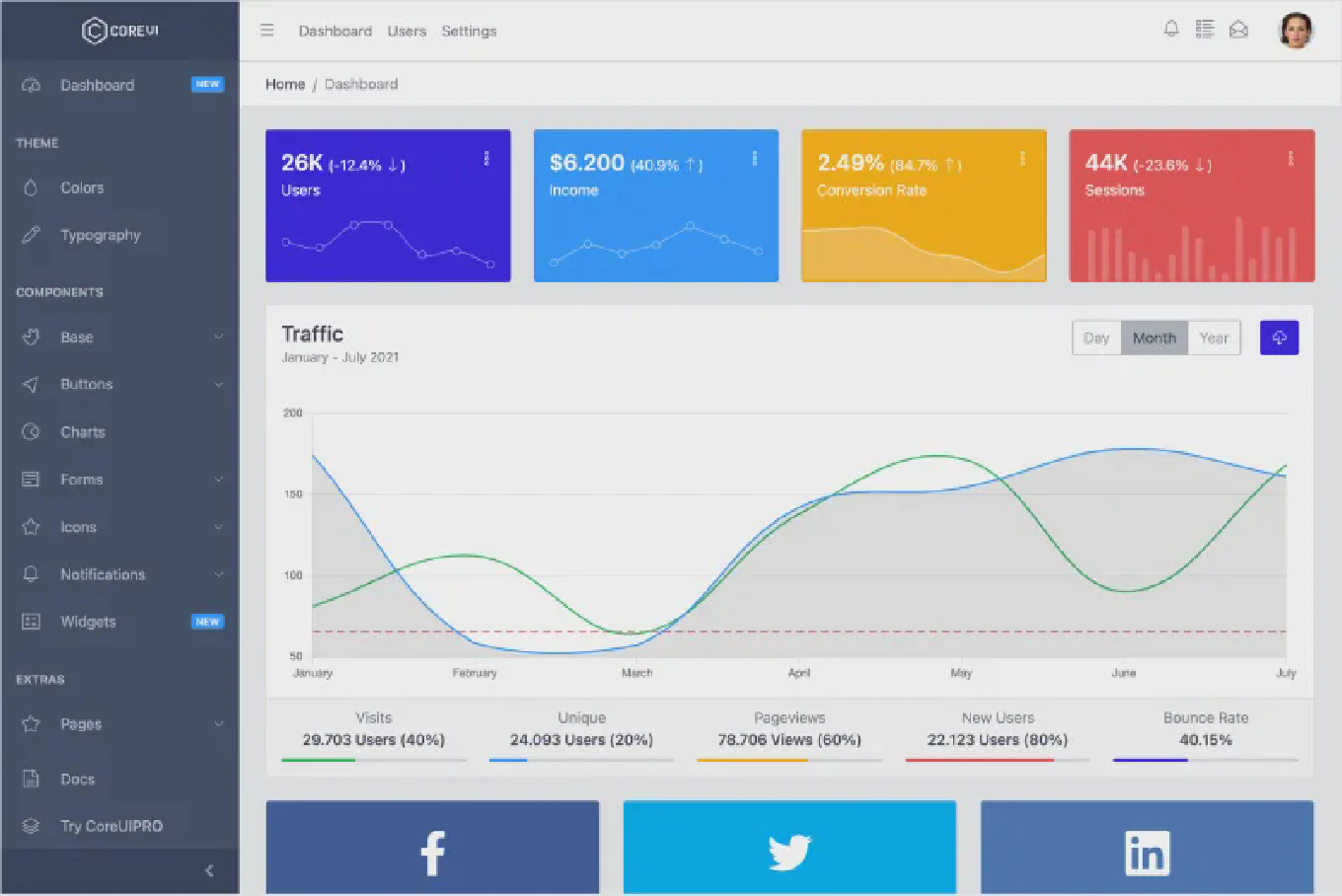
We are pleased to announce the release of CoreUI Free Angular Admin Template v5.7.33. This update moves the sidebar scrollbar from ngx-scrollbar 13 to ngx-scrollbar 19, aligns the template with Angular 22.2.1, and refreshes the bundled CoreUI packages.
CoreUI PRO Angular Admin Template v5.7.33 - ngx-scrollbar 19 and Angular 22.2.1 Update
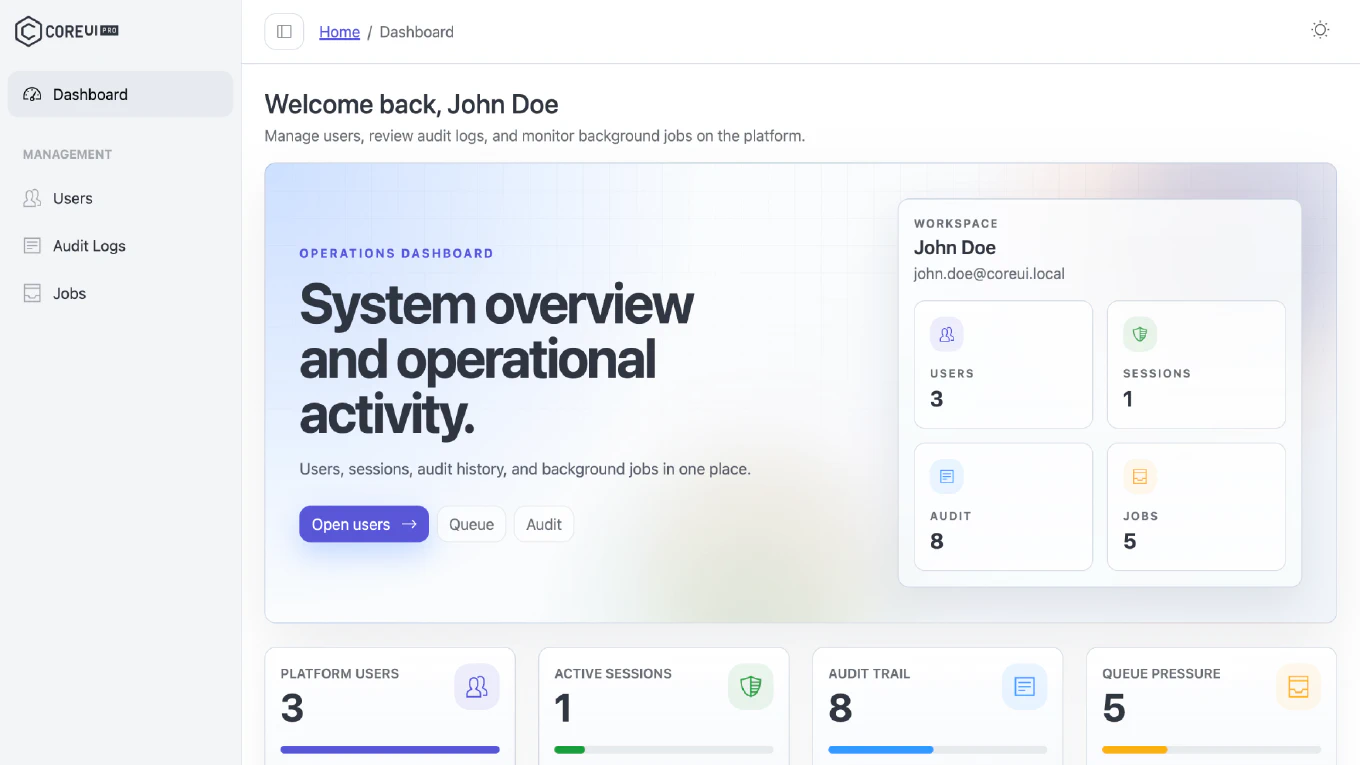
We are pleased to announce the release of CoreUI PRO Angular Admin Template v5.7.33. This update moves the sidebar scrollbar from ngx-scrollbar 13 to ngx-scrollbar 19, cleans up warnings in the Vitest test setup, aligns the template with Angular 22.2.1, and refreshes the bundled CoreUI PRO packages.
CoreUI for Angular v5.7.32 - Angular 22.2.1 Update
We are pleased to announce the release of CoreUI for Angular v5.7.32. This maintenance release aligns the library with Angular 22.2.1 and refreshes the Angular build tooling and test dependencies. No breaking changes were announced in the published release notes.
CoreUI PRO for Angular v5.7.32 - Multi Select Option Groups and Autocomplete on Angular Aria
We are pleased to announce the release of CoreUI PRO for Angular v5.7.32. This release adds selectable option groups and a custom dropdown header to the Multi Select, rebuilds the Autocomplete on the Angular Aria combobox with a signal forms control and a virtual scroller, and aligns the library with Angular 22.2.1. The Autocomplete changes include behavior changes marked as possibly breaking - see the Migration Notes.
CoreUI Free Angular Admin Template v5.7.32 - spawn EBADF Fix for ng serve and ng test
We are pleased to announce the release of CoreUI Free Angular Admin Template v5.7.32. This fix release removes preserveSymlinks from angular.json, which made ng serve -o and ng test in watch mode fail with spawn EBADF after the move to Angular 22.2.0, and updates Vitest to 5.0.2.
CoreUI PRO Angular Admin Template v5.7.32 - Angular 22.2.0, spawn EBADF Fix, and Refreshed Dashboard
We are pleased to announce the release of CoreUI PRO Angular Admin Template v5.7.32. This update moves the template to Angular 22.2.0 and Vitest 5, removes the preserveSymlinks option that makes ng serve -o and ng test fail with spawn EBADF on Angular 22.2, drops the @angular/animations and zone.js dependencies, and refreshes the dashboard. It is the first PRO release after v5.7.23 and covers all changes since then.
CoreUI for Angular v5.7.31 - Angular 22.2.0 Update
We are pleased to announce the release of CoreUI for Angular v5.7.31. This release aligns the library with Angular 22.2.0, raises the Angular peer dependencies of all three packages to ^22.2.0, and moves the test suite to Vitest 5. No breaking changes were announced in the published release notes, but your application needs Angular 22.2 or later - see the Migration Notes below.
CoreUI Free Angular Admin Template v5.7.31 - Angular 22.2.0 and Vitest 5 Update
We are pleased to announce the release of CoreUI Free Angular Admin Template v5.7.31. This update moves the template to the Angular 22.2 line, switches the test runner to Vitest 5, and refreshes the bundled CoreUI packages.
CoreUI PRO for Angular v5.7.31 - Angular 22.2.0 Update
We are pleased to announce the release of CoreUI PRO for Angular v5.7.31. This maintenance release aligns the library with Angular 22.2.0, raises the Angular peer dependencies to ^22.2.0, and moves the test tooling to Vitest 5. No breaking changes were announced in the published release notes.
CoreUI for Angular v5.7.30 - Angular 22.1.7 Update
We are pleased to announce the release of CoreUI for Angular v5.7.30. This maintenance release aligns the library with Angular 22.1.7 and refreshes the Angular build tooling and development dependencies. Version 5.7.29 was not published, so this release follows v5.7.28 directly. No breaking changes were announced in the published release notes.