How to customize CoreUI theme in React
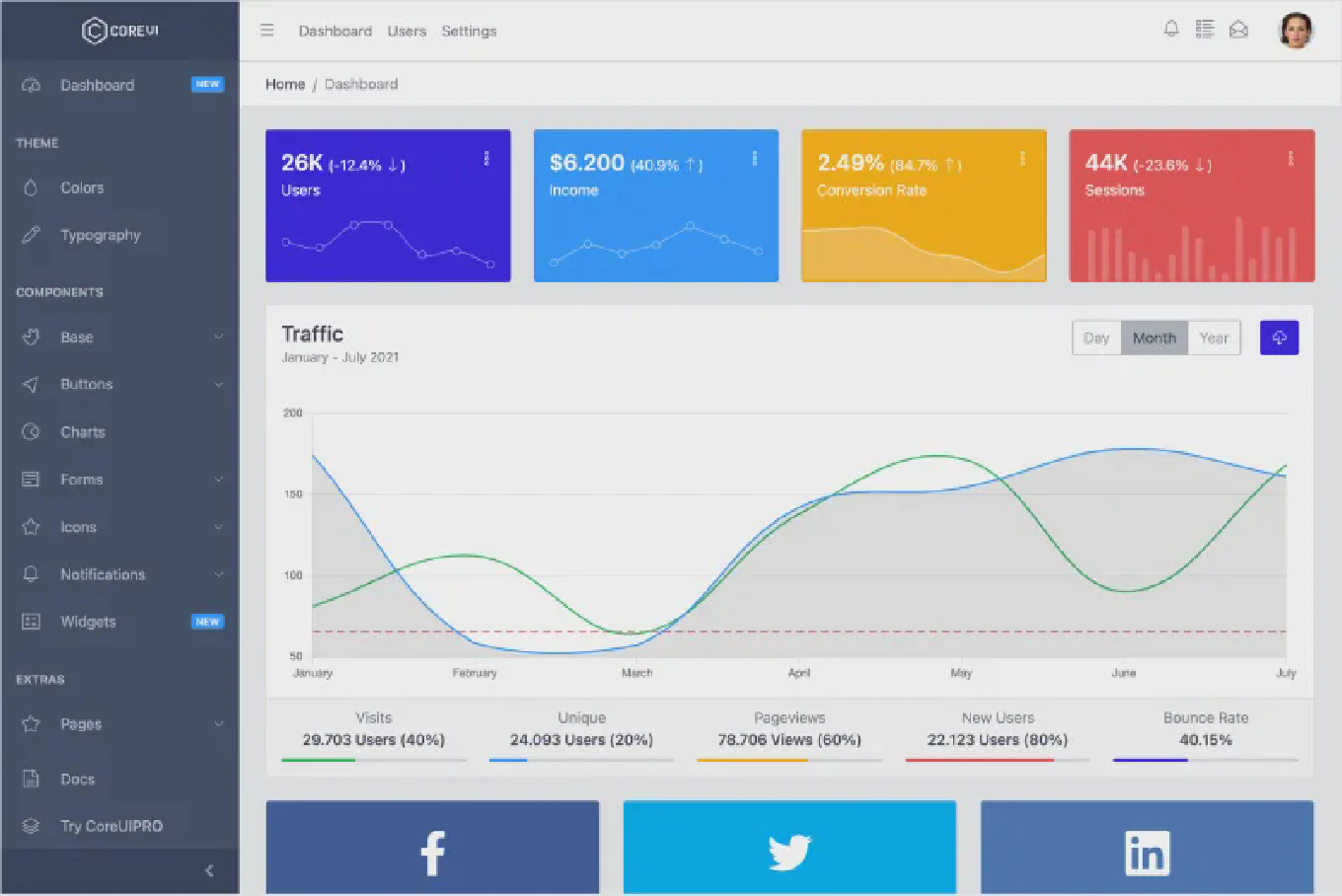
Customizing a UI framework to match your brand’s unique identity is a critical step in professional web development. As the creator of CoreUI, I have designed our React components to be highly flexible and easy to theme. The most efficient and modern way to customize the CoreUI theme in React is by overriding Sass variables before compilation or using CSS custom properties (variables) for runtime adjustments. This approach ensures that your changes are consistent across all components while maintaining the performance and reliability of the library.
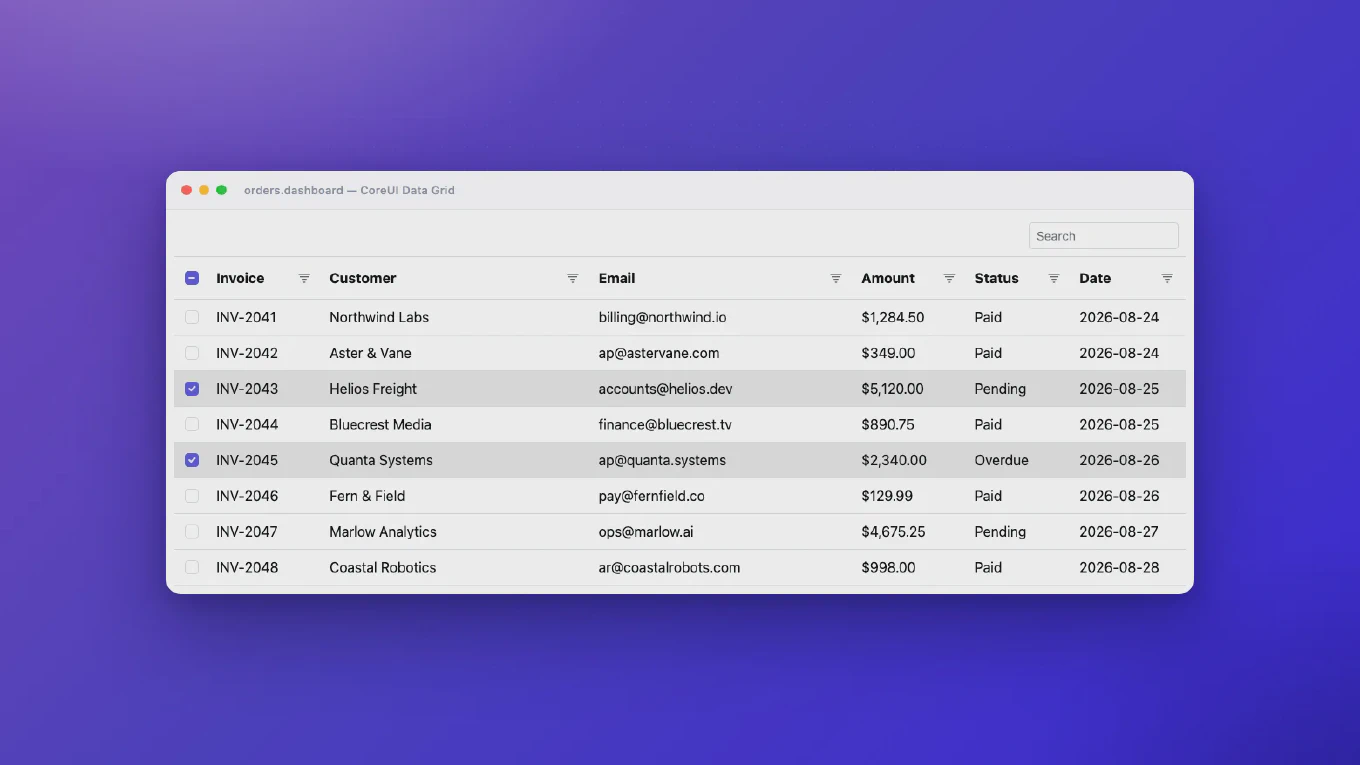
How to print table in Angular
Printing data tables from Angular applications requires hiding navigation elements and applying print-friendly styles.
As the creator of CoreUI, I’ve implemented print functionality for reports, invoices, and data exports in enterprise dashboards.
The standard approach triggers window.print() while CSS @media print rules hide non-printable elements and format the table for paper.
This works without any libraries and produces clean printed output.
How to use transitions in Vue
Adding smooth transitions when elements appear or disappear greatly enhances user experience and makes interfaces feel polished and professional.
As the creator of CoreUI, I’ve implemented countless animations in production applications.
Vue 3 provides a built-in Transition component that automatically applies CSS classes during enter and leave phases, making animations straightforward.
This approach requires no external libraries and works with standard CSS transitions or animations.
How to create global styles in Angular
Every Angular application needs global styles for typography, spacing, colors, and reusable utility classes that apply across all components.
As the creator of CoreUI, I’ve architected styling systems for numerous enterprise applications.
Angular provides a dedicated styles.scss file (or styles.css) in the project root specifically for global styles that affect the entire application.
This approach ensures consistent design while keeping component-specific styles isolated.
How to use ViewEncapsulation in Angular
Managing CSS scope in Angular components is critical for preventing style conflicts and maintaining clean component boundaries. As the creator of CoreUI, I’ve used ViewEncapsulation extensively in enterprise applications. Angular provides three ViewEncapsulation modes: Emulated (default), None, and ShadowDom, each controlling how styles are scoped to components. The ViewEncapsulation strategy determines whether component styles affect only that component or leak to the global scope.
How to print tables in React
Adding print functionality to tables allows users to create physical or PDF copies of data, which is crucial for reports and documentation. As the creator of CoreUI, I’ve implemented print features in numerous enterprise systems. The most effective solution is to use the browser’s native print dialog combined with CSS print media queries to control what gets printed. This approach requires no external libraries and works across all modern browsers.
How to style components in Angular
Component styling in Angular enables scoped CSS that prevents style conflicts and maintains clean separation of concerns in component architecture. As the creator of CoreUI, a widely used open-source UI library, I’ve designed component styling strategies for Angular applications. The most maintainable approach is using external stylesheet files with styleUrls and Angular’s default Emulated view encapsulation. This method provides automatic style scoping, supports SCSS preprocessing, and maintains clear separation between template and styling logic.
How to create a theme switcher in Vue
Theme switchers enable users to customize application appearance with multiple color schemes, enhancing personalization and brand flexibility. As the creator of CoreUI, a widely used open-source UI library, I’ve built theme switchers for enterprise Vue applications. The most versatile approach is managing theme state reactively and applying theme-specific CSS custom properties. This method supports unlimited themes, smooth transitions, and maintains persistent user preferences across sessions.
How to implement dark mode in Vue
Dark mode improves user experience by reducing eye strain in low-light environments and has become an essential feature for modern web applications. As the creator of CoreUI, a widely used open-source UI library, I’ve implemented dark mode in Vue applications. The most effective approach is using Vue 3 Composition API with reactive state and CSS custom properties for theme switching. This method enables smooth theme transitions, persists user preferences, and maintains clean separation between logic and styling.
How to build a responsive layout in Vue
Responsive layouts adapt to different screen sizes and devices, providing optimal viewing experiences from mobile phones to desktop monitors. As the creator of CoreUI, a widely used open-source UI library, I’ve built responsive layouts in Vue applications. The most effective approach is using CSS Grid and Flexbox with mobile-first media queries in Vue components. This method ensures layouts work across all devices while maintaining clean, maintainable code.