How to optimize large lists in React
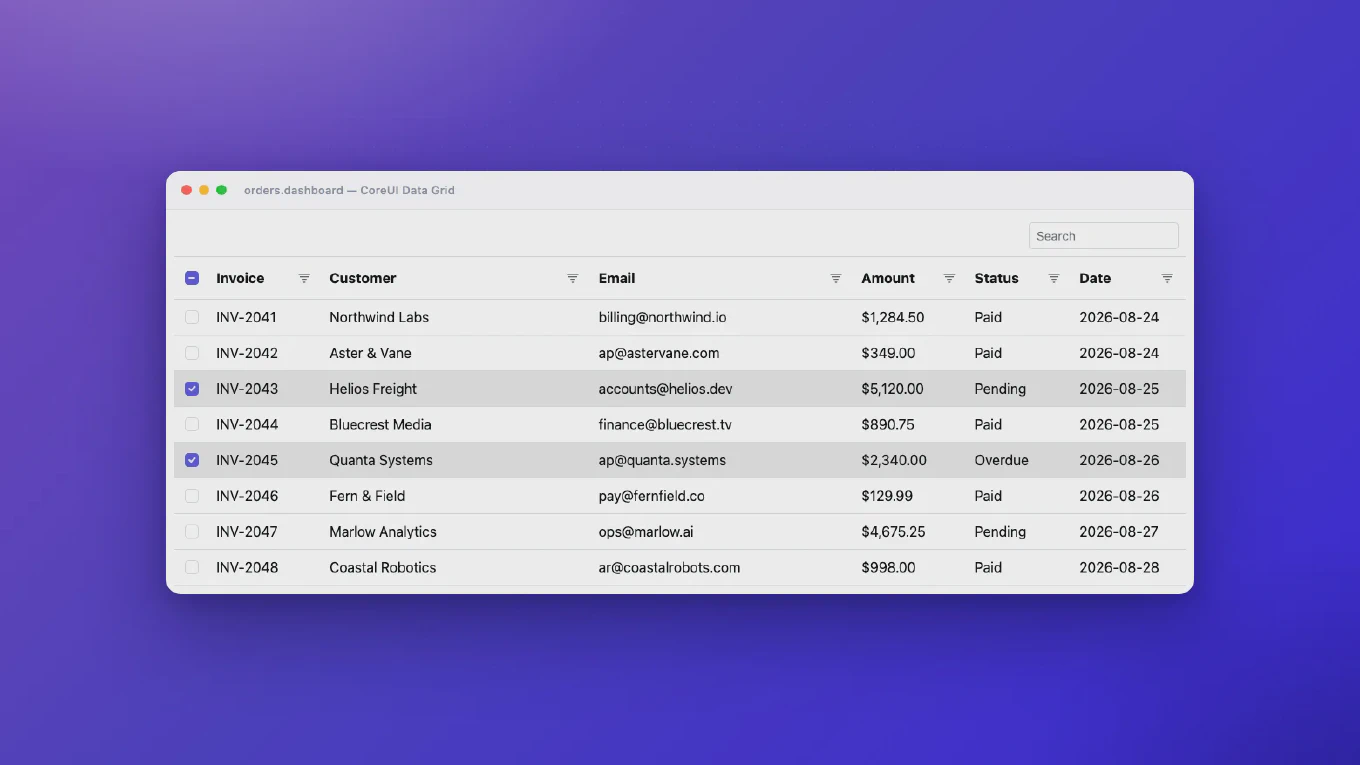
Rendering thousands of DOM nodes in a React list causes severe performance degradation — slow initial render, janky scrolling, and high memory usage.
As the creator of CoreUI, I’ve optimized data-heavy tables and lists in CoreUI dashboards that display thousands of rows, and virtualization is the single most impactful technique.
The approach with react-window renders only the rows visible in the viewport, keeping the DOM node count constant regardless of data size.
A list with 10,000 items renders the same ~20 DOM nodes as a list with 10 items when virtualized.
How to implement virtualized list in React
Rendering large lists with thousands of items can severely impact performance and cause lag in React applications. As the creator of CoreUI, a widely used open-source UI library, I’ve optimized list rendering for enterprise applications. The most effective solution is using virtualization libraries like react-window, which render only the visible items in the viewport. This approach dramatically improves performance by minimizing DOM nodes and reducing memory consumption.