How to fix memory leaks in React
Memory leaks in React occur when components are unmounted but still hold references to timers, subscriptions, or callbacks.
As the creator of CoreUI, I’ve debugged memory leaks that caused applications to slow down and eventually crash after extended use.
The primary fix is returning cleanup functions from useEffect to cancel ongoing operations before the component unmounts.
This prevents the classic “Can’t perform a React state update on an unmounted component” warning.
How to build a Kanban board in React
A Kanban board organizes tasks into columns representing workflow stages, with drag-and-drop for moving cards between them. As the creator of CoreUI, I’ve built Kanban-style interfaces for project management tools, sprint planners, and support ticket systems. The most effective approach stores board state as a map of column IDs to card arrays, uses HTML5 drag-and-drop for movement, and rerenders on every drop. This provides a functional board without heavy dependencies.
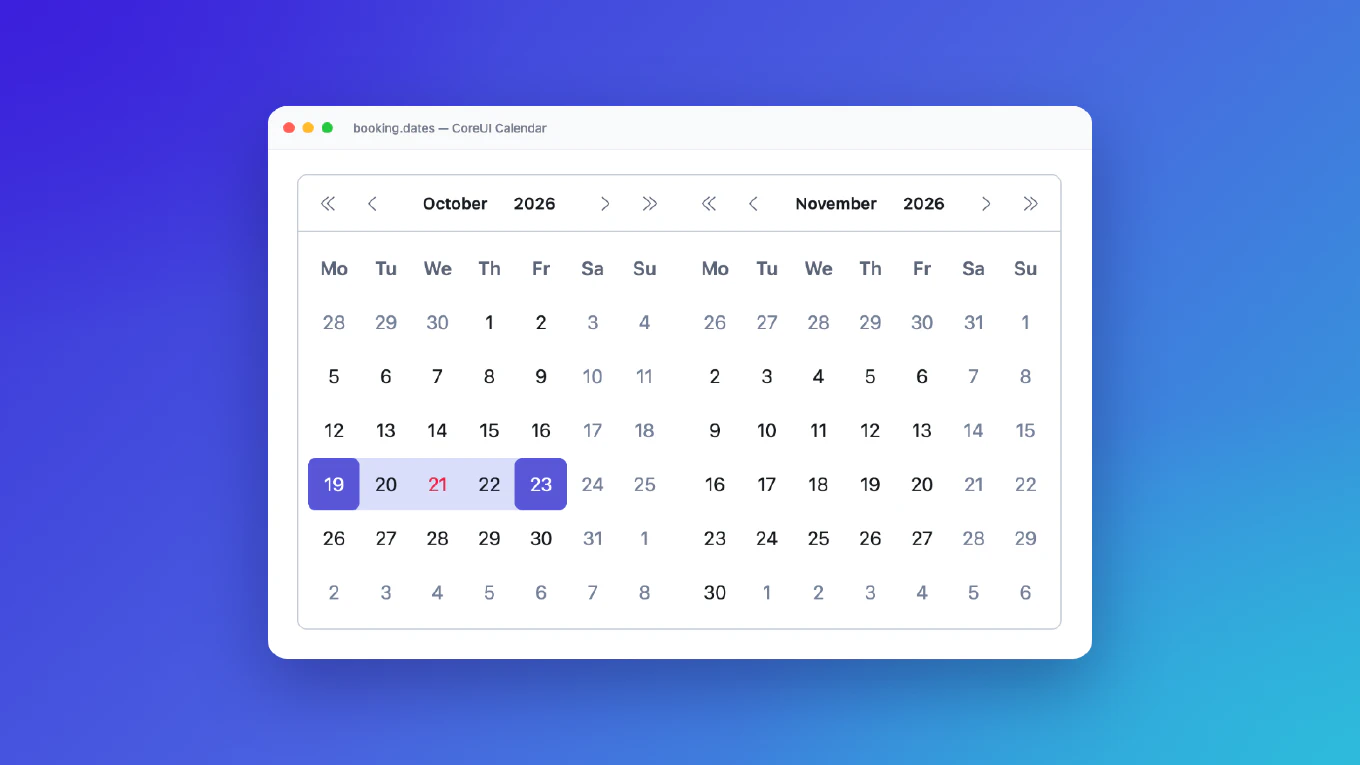
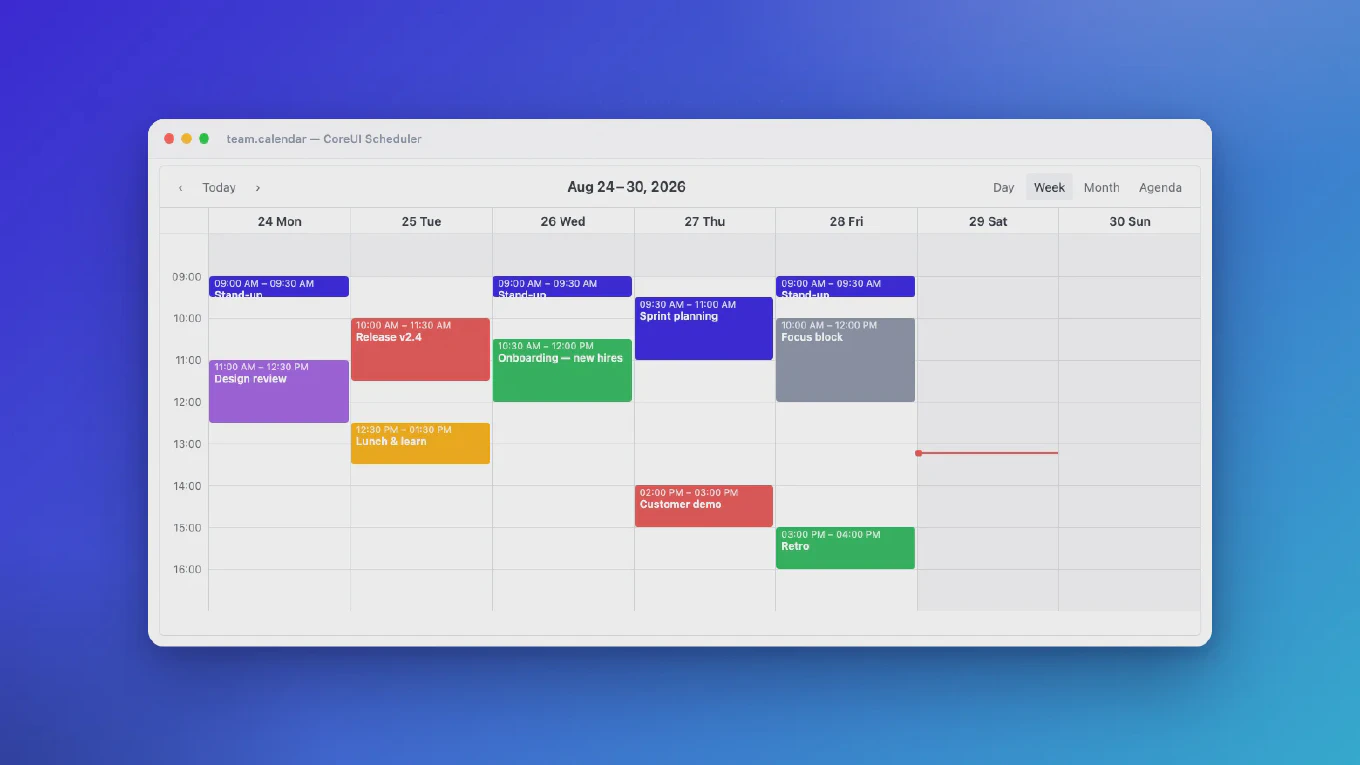
How to build a calendar in React
Building a calendar component requires generating grids of days, handling month navigation, and marking events on specific dates. As the creator of CoreUI, I’ve built calendar interfaces for booking systems, scheduling tools, and project management dashboards. The most effective approach calculates the days grid from the current month state, renders weeks as rows, and highlights today and event dates. This produces a functional calendar with pure React and no external date libraries.
How to build a notes app in React
A notes application is an ideal project for mastering React state management, CRUD operations, and data persistence. As the creator of CoreUI, I’ve built note-taking interfaces for knowledge management tools, CMS editors, and productivity dashboards. The most effective approach uses useState for notes, useEffect for localStorage persistence, and controlled inputs for editing. This delivers a fully functional notes app with minimal complexity.
How to build a todo app in React
Building a todo application is a classic way to learn React fundamentals including state management, event handling, and component composition. As the creator of CoreUI, I’ve built todo-style interfaces for task management systems, project tracking tools, and checklist applications. The most effective approach uses useState for managing todos, useEffect for persistence, and controlled inputs for adding new items. This provides a fully functional todo app with all essential features.
How to build a chat app in React
Building a chat application requires managing message lists, user input, real-time updates, and smooth scrolling behavior. As the creator of CoreUI, I’ve built chat interfaces for applications ranging from simple customer support to complex team collaboration platforms. The most effective approach uses useState for messages, useRef for scroll management, and controlled inputs for message composition. This pattern provides a responsive, user-friendly chat experience.
How to build a settings page in React
Building a settings page is essential for applications that allow users to customize their experience and manage preferences. As the creator of CoreUI, I’ve built settings interfaces for applications ranging from simple user preferences to complex enterprise configuration panels. The most effective approach organizes settings into logical sections, uses controlled components for all inputs, and persists changes to localStorage or an API. This pattern provides a professional, user-friendly settings interface.
How to build a profile page in React
Building a user profile page is a common requirement in React applications, typically featuring user information display, edit mode, and form submission. As the creator of CoreUI, I’ve built profile interfaces for countless applications ranging from simple user management to complex enterprise systems. The most effective approach combines useState for managing edit/view modes, controlled inputs for form fields, and optimistic UI updates for smooth user experience. This pattern provides a professional, responsive profile page with minimal complexity.
CoreUI for React v5.10.0 - Chip Components Release

We are excited to announce the release of CoreUI for React v5.10.0. This update introduces two powerful new components: the Chip component for displaying compact, interactive elements and the Chip Input component for enhanced multi-value user input. These components expand the CoreUI React component library, providing developers with modern UI patterns for tags, filters, and dynamic data entry.
CoreUI PRO for React v5.24.0 - Calendar & Chip Components
We are excited to announce the release of CoreUI PRO for React v5.24.0. This update brings powerful new features including enhanced Calendar component with custom cell rendering and quarter selection, new Chip and Chip Input components, plus all exclusive PRO components for building sophisticated enterprise React applications.