How to paginate data in React
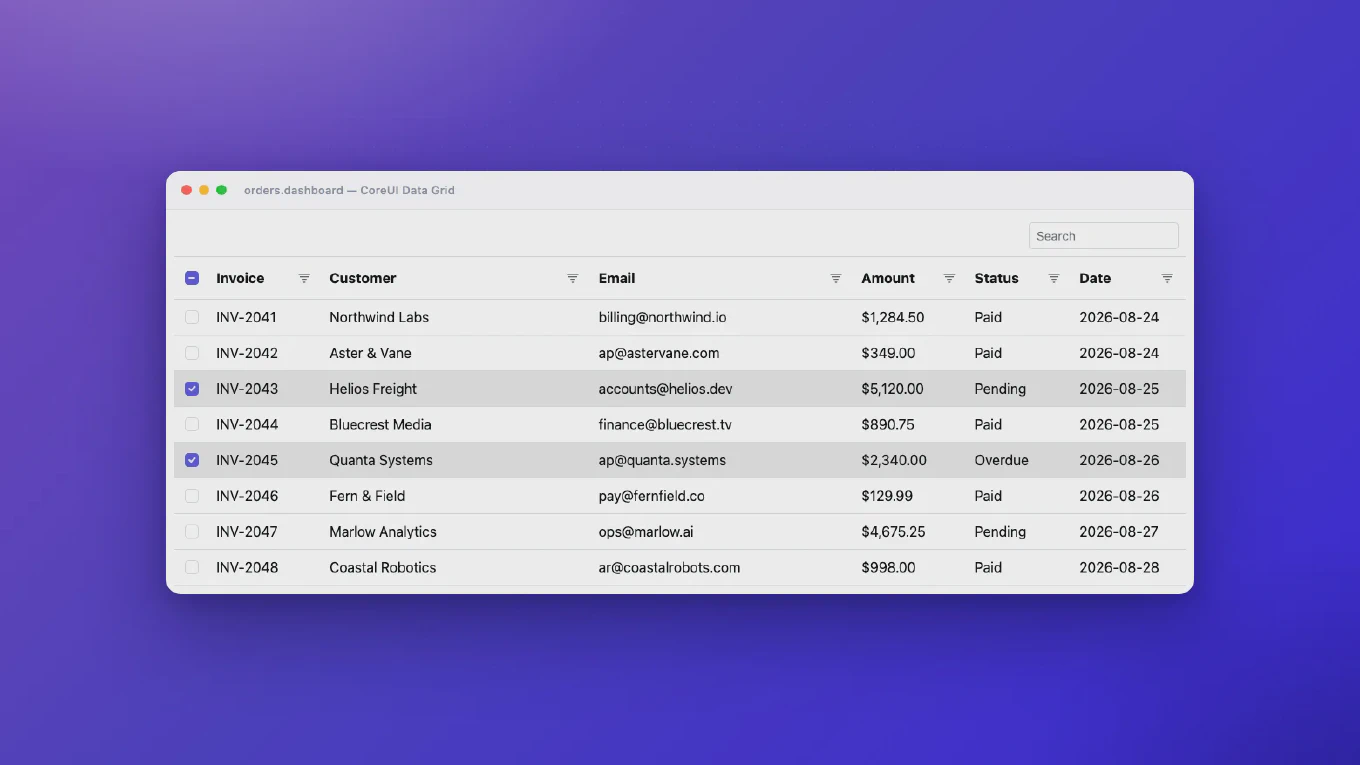
Implementing pagination is essential for displaying large datasets efficiently in React applications without overwhelming the user interface. As the creator of CoreUI, I’ve built pagination into countless data tables and lists. The most effective solution is to track the current page in state and slice the data array to show only the relevant items. This approach is simple, performant, and provides full control over the pagination logic.
How to use Angular pipes
Using Angular pipes transforms data in templates without modifying the underlying component data, providing clean separation between data processing and presentation logic. As the creator of CoreUI with extensive Angular experience since 2014, I’ve implemented pipes in numerous enterprise applications for data formatting, localization, and complex data transformations. The most effective approach involves applying pipes directly in template expressions using the pipe operator (|) with optional parameters for customization. This method ensures efficient data transformation with automatic change detection while maintaining readable, declarative template syntax.
How to use Resolve guard in Angular
Resolve guards in Angular pre-load data before route activation, ensuring components receive required data immediately upon initialization. As the creator of CoreUI with extensive Angular experience since 2014, I’ve used Resolve guards in numerous dashboard applications to eliminate loading states and improve user experience. The most effective approach implements the Resolve interface to fetch data that components need before they’re displayed. This pattern prevents flickering loading states and ensures smooth navigation with pre-populated data.
How to read a JSON file in JavaScript
Reading JSON files in JavaScript is essential for loading configuration data, localization files, and external data sources in web applications. As the creator of CoreUI with extensive JavaScript experience since 2000, I’ve used JSON file loading for internationalization, configuration management, and data imports in production applications. The most straightforward approach uses the fetch API to retrieve the JSON file and automatically parse it. This method provides clean asynchronous file loading while handling parsing errors gracefully.
How to get an attribute from an element in JavaScript
Retrieving attribute values from HTML elements is essential for reading data, checking element states, and building dynamic functionality.
As the creator of CoreUI, I regularly use attribute reading for component state management and user interaction handling.
The most effective method is using the getAttribute() method which returns the exact string value stored in the HTML attribute.
This approach provides reliable access to both standard and custom attributes across all browsers.
How to parse JSON in JavaScript
Parsing JSON strings into JavaScript objects is fundamental for working with API responses and data storage.
As the creator of CoreUI, I’ve handled JSON parsing in countless web applications and UI components.
From my expertise, the most reliable approach is using JSON.parse() with proper error handling to safely convert JSON strings to objects.
This method provides fast, secure parsing while preventing application crashes from malformed data.
How to use Angular services
Using Angular services is fundamental for sharing data, implementing business logic, and handling API communication across components in Angular applications.
As the creator of CoreUI, a widely used open-source UI library, I’ve implemented countless Angular services for data management.
From my expertise, the most effective approach is creating injectable services with the @Injectable decorator and injecting them into components through dependency injection.
This promotes separation of concerns and code reusability.