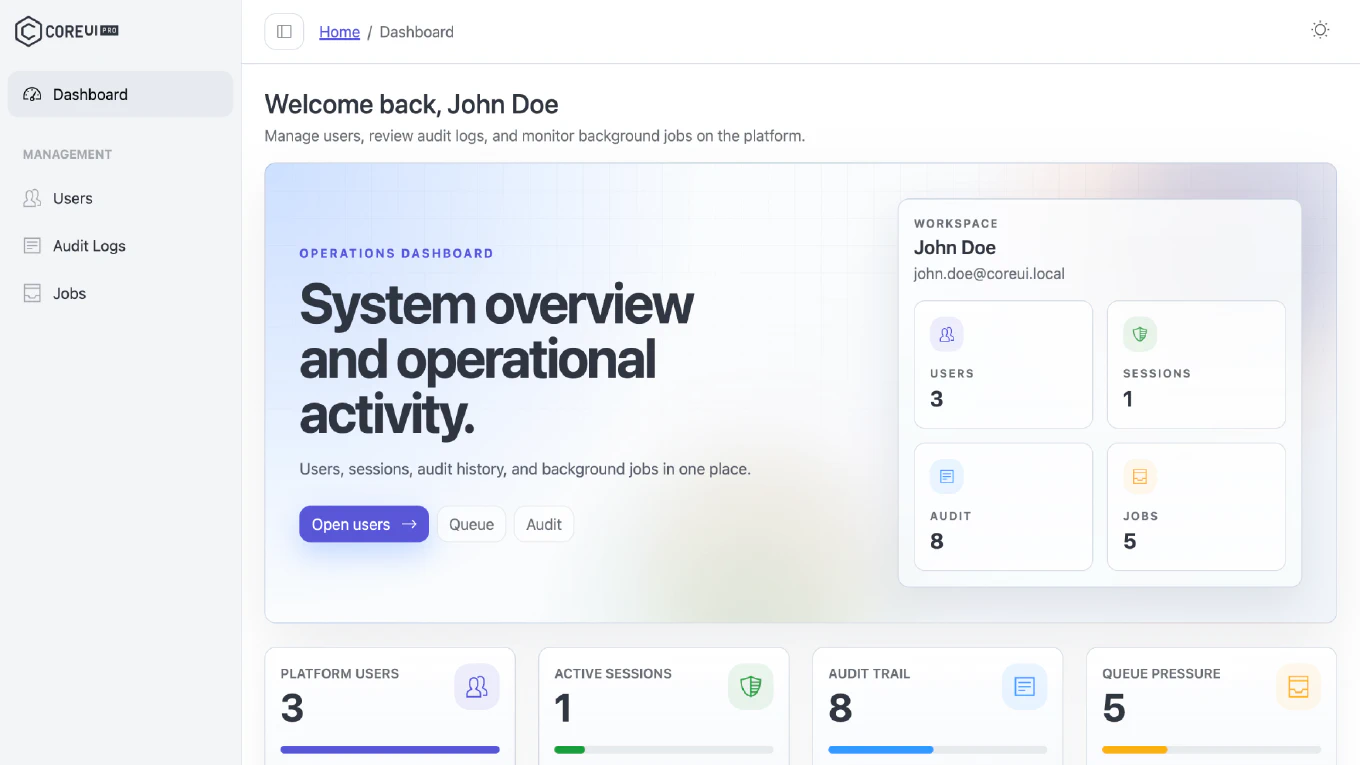
CoreUI PRO Angular Admin Template v5.6.24 - Angular 21.2.14 Update

We are pleased to announce the release of CoreUI PRO Angular Admin Template v5.6.24. This update aligns the template with Angular 21.2.14, refreshes the bundled CoreUI PRO packages, and keeps enterprise dashboard projects up to date with the latest maintenance improvements.
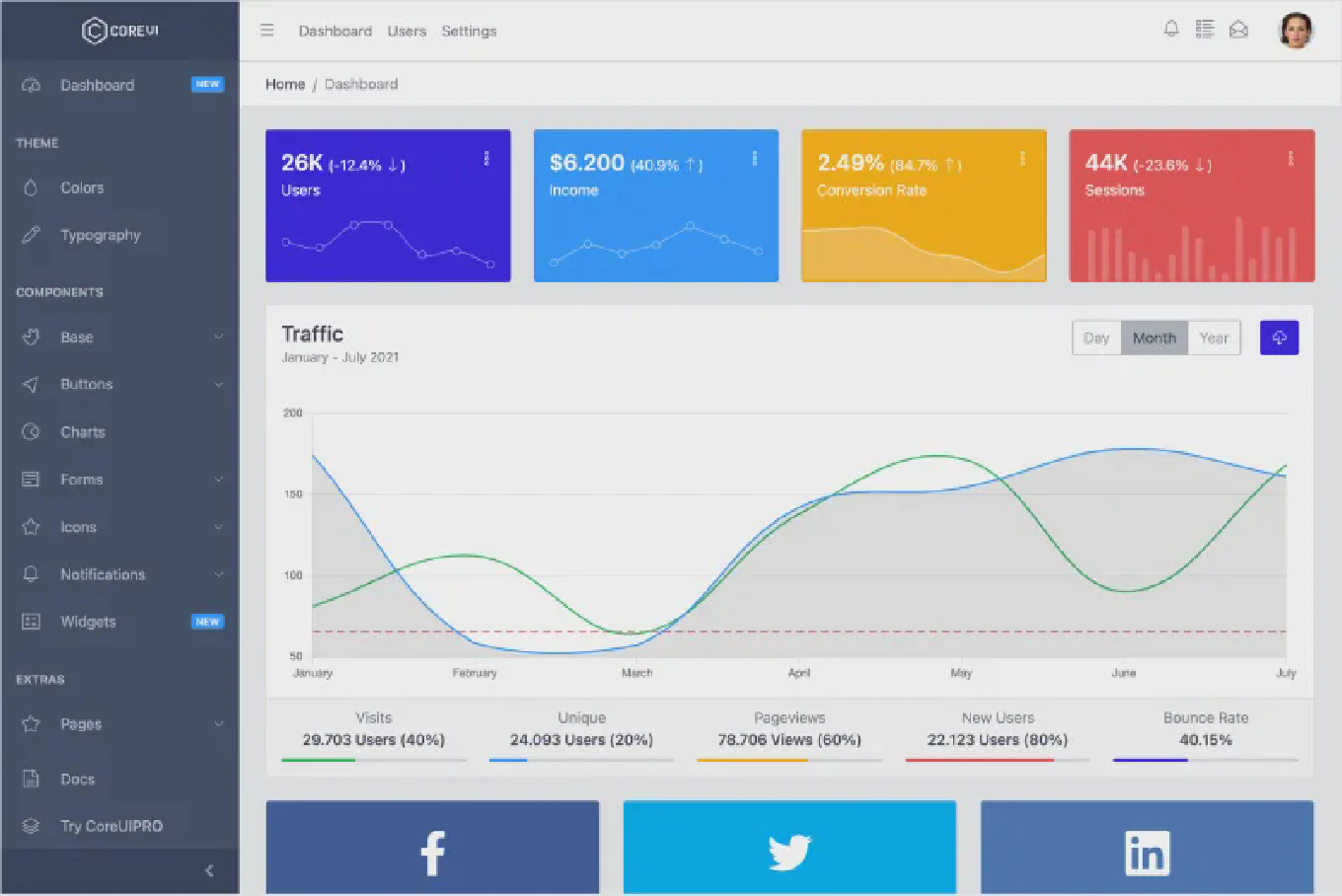
CoreUI Free Angular Admin Template v5.6.24 - Angular 21.2.14 Update
We are pleased to announce the release of CoreUI Free Angular Admin Template v5.6.24. This update aligns the template with Angular 21.2.14, refreshes the bundled CoreUI packages, and keeps Angular dashboard projects current with the latest maintenance improvements.
CoreUI for Angular v5.6.24 - Angular 21.2.14 Update
We are pleased to announce the release of CoreUI for Angular v5.6.24. This release aligns the library with Angular 21.2.14, fixes a couple of sidebar navigation issues, and refreshes the surrounding dependency stack.
CoreUI PRO for Angular v5.6.24 - Angular 21.2.14 Update
We are pleased to announce the release of CoreUI PRO for Angular v5.6.24. This release aligns the library with Angular 21.2.14, fixes a couple of sidebar navigation issues, and refreshes the surrounding dependency stack.
How to integrate PayPal with Angular
Integrating a secure payment gateway like PayPal is a critical requirement for modern e-commerce and SaaS applications.
As the creator of CoreUI, I have implemented numerous payment systems that prioritize security and user experience.
The most efficient and modern approach is to utilize the PayPal JavaScript SDK to render Smart Payment Buttons directly within your Angular components.
This method ensures PCI compliance by keeping sensitive data on PayPal’s servers while providing a native feel within your application.
How to integrate Stripe with Angular
Integrating payment processing into a modern web application requires a balance between security, user experience, and developer efficiency.
As the creator of CoreUI, I have integrated Stripe into numerous enterprise-grade Angular applications to handle complex billing cycles and one-time checkouts.
The most efficient and modern solution is to use the @stripe/stripe-js library together with Stripe Elements, which allows you to maintain PCI compliance while providing a fully customizable UI.
This approach ensures that sensitive card data never touches your server, leveraging Stripe’s secure infrastructure directly within your Angular components.
How to migrate AngularJS app to Angular
Migrating from AngularJS to modern Angular is a significant architectural shift that requires moving from a scope-based model to a component-based architecture.
As the creator of CoreUI, I have overseen dozens of enterprise-level migrations where stability was the top priority.
The most efficient and modern solution is to use a hybrid application strategy via the @angular/upgrade library, allowing both frameworks to run concurrently during the transition.
By using an incremental approach, you can deliver new features in Angular while gradually refactoring legacy code without a “big bang” rewrite risk.
How to use Angular with Vite
Integrating Vite into the Angular ecosystem has transformed the developer experience by drastically reducing startup times and enhancing Hot Module Replacement (HMR) performance.
As the creator of CoreUI, I have closely followed the evolution of build tools from early Gulp tasks to the modern esbuild-powered era.
The most effective way to use Vite with Angular is to leverage the official @angular-devkit/build-angular:application builder, which uses Vite for the development server and esbuild for production bundles.
This native integration ensures full compatibility with the Angular compiler while providing the blistering speed associated with Vite.
How to use Angular with Webpack
Integrating Webpack with Angular allows developers to fine-tune their build process beyond the default capabilities of the Angular CLI.
As the creator of CoreUI, I have architected numerous enterprise-level build pipelines that require specialized configurations.
While the Angular CLI handles most needs out of the box, the most efficient and modern solution for custom requirements is to use the @angular-builders/custom-webpack package.
This approach allows you to extend the internal Webpack configuration without “ejecting” from the CLI, maintaining the benefits of the Angular ecosystem while gaining full control over the bundling process.
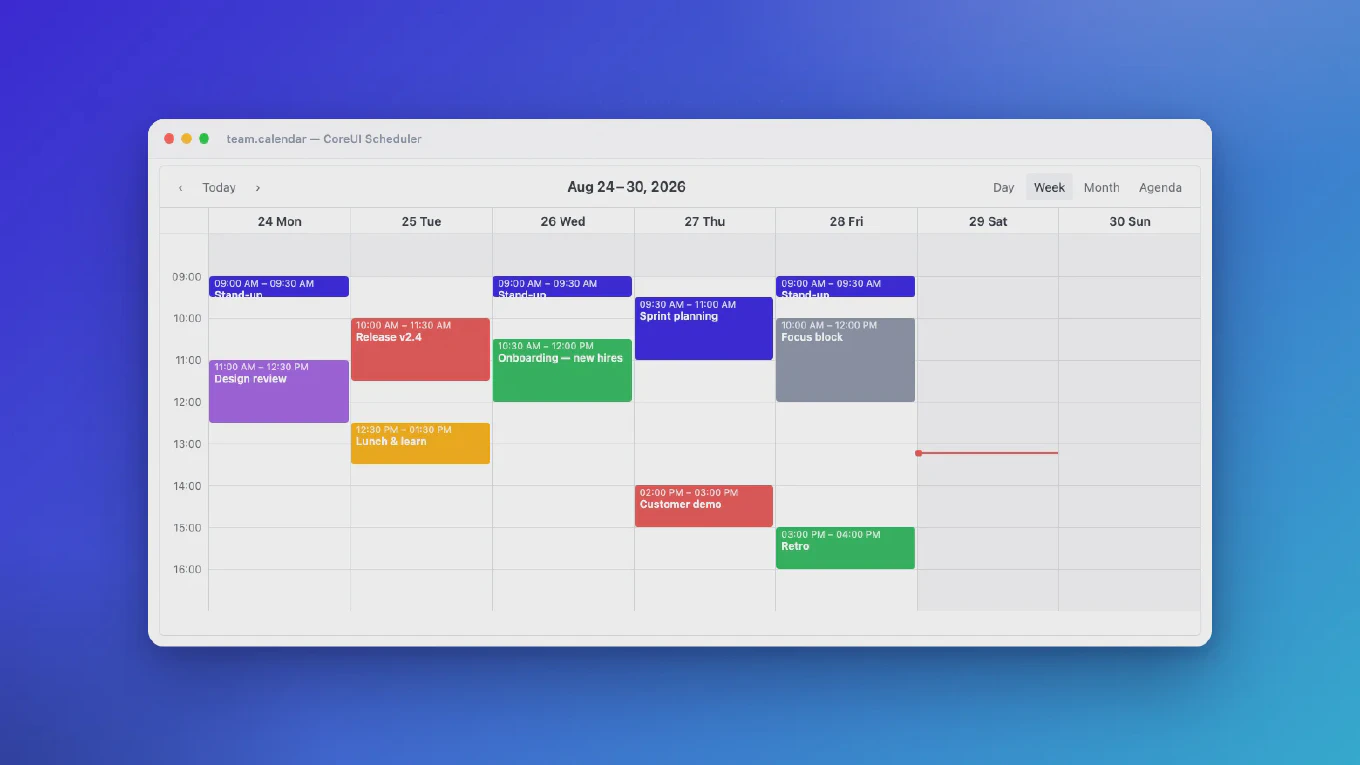
How to build a calendar in Angular
Building a custom calendar in Angular is a common requirement for applications involving scheduling, booking, or event management.
As the creator of CoreUI, I’ve designed and implemented numerous calendar systems ranging from simple date pickers to complex resource schedulers.
The most efficient and modern approach involves leveraging TypeScript’s Date object to calculate month structures and using CSS Grid for a responsive, accessible layout.
While building from scratch is great for learning, for enterprise-grade applications, using a battle-tested library like CoreUI can save weeks of development time.