How to paginate tables in Angular
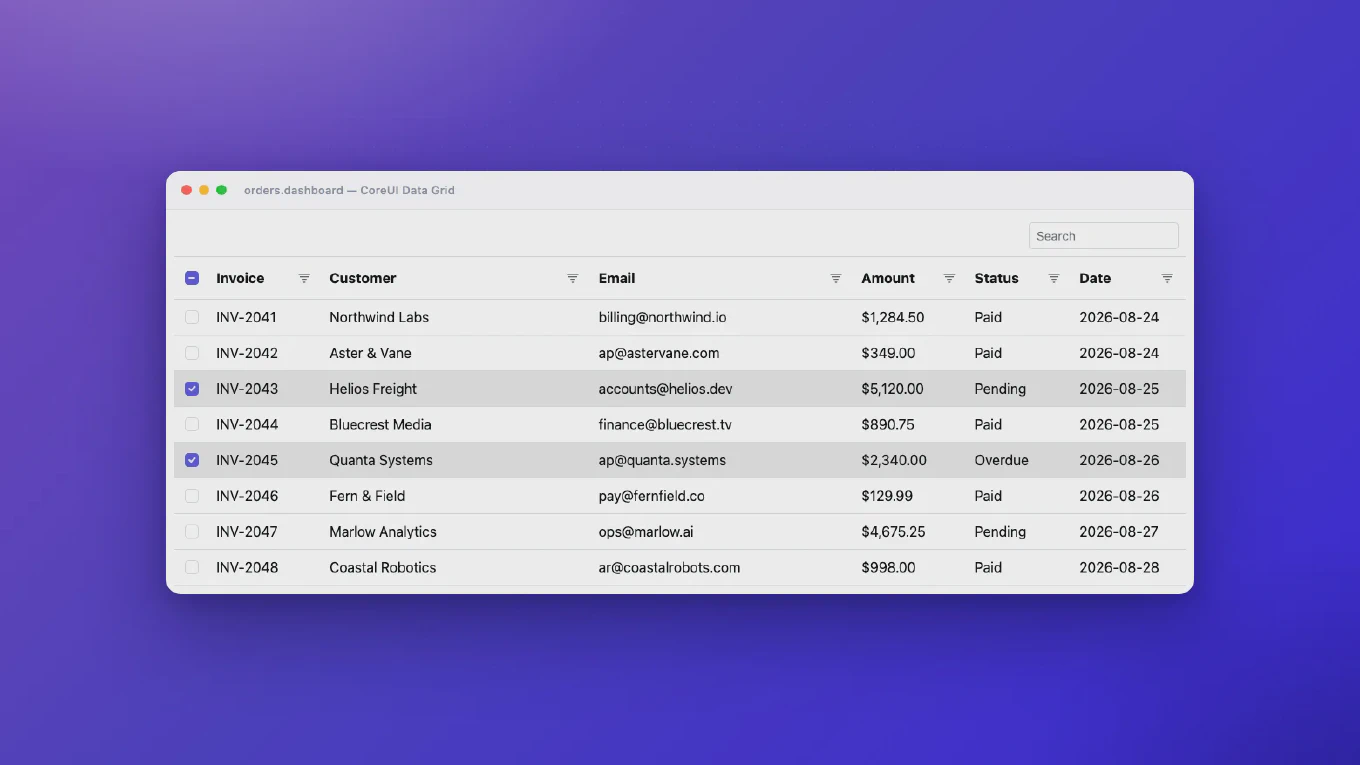
Pagination is essential for displaying large datasets in manageable chunks, improving performance and user experience. As the creator of CoreUI, I’ve implemented pagination for tables handling millions of records in enterprise applications. The most effective approach uses component state to track current page and page size, with computed properties to slice data for display. This provides smooth navigation through large datasets.
How to create a table in Angular
Creating data tables is essential for displaying structured information in Angular applications. As the creator of CoreUI, I’ve built table components for everything from simple lists to complex enterprise data grids with thousands of rows. The most effective approach uses Angular’s structural directives for rendering, pipes for data transformation, and component state for interactive features like sorting and filtering. This pattern provides a professional, performant table interface.
CoreUI for Angular v5.6.18 - Angular 21.2.1 Update

We are pleased to announce the release of CoreUI for Angular v5.6.18. This maintenance update brings full support for Angular 21.2.1, includes important security patches, and comprehensive dependency updates to ensure your Angular applications run with the latest framework improvements and security fixes.
CoreUI Free Angular Admin Template v5.6.18
We are pleased to announce the release of CoreUI Free Angular Admin Template v5.6.18. This maintenance update brings Angular 21.2.1 support, critical security patches, and updated CoreUI for Angular components.
CoreUI PRO for Angular v5.6.18 - Angular 21.2.1 & Security Updates
We are pleased to announce the release of CoreUI PRO for Angular v5.6.18. This maintenance update brings full support for Angular 21.2.1, includes critical security patches, and comprehensive dependency updates to ensure your enterprise Angular applications run with the latest framework improvements and security fixes.
How to create a navbar in Angular
Creating a navigation bar is fundamental for Angular applications, providing users with consistent access to different sections. As the creator of CoreUI, I’ve built navigation components for countless applications from simple websites to complex enterprise dashboards. The most effective approach uses Angular standalone components with RouterModule for navigation, responsive CSS for mobile layouts, and a service to manage mobile menu state. This pattern delivers a professional, accessible navbar that works across all devices.
How to create a sidebar in Angular
Creating a sidebar navigation is essential for most Angular applications, providing a consistent way to navigate between different sections. As the creator of CoreUI, I’ve built sidebar components for countless admin panels and enterprise applications. The most effective approach uses Angular standalone components with a service to manage sidebar state, CSS for styling and transitions, and Angular Router for navigation. This pattern provides a responsive, accessible sidebar that works across all screen sizes.
CoreUI PRO Angular Admin Template v5.6.17
We are pleased to announce the release of CoreUI PRO Angular Admin Template v5.6.17. This update brings full Angular 21.2 support, resolves Chart.js animation issues, and includes all exclusive CoreUI PRO components for building sophisticated enterprise Angular admin dashboards.
How to create a dropdown in Angular
Creating dropdown menus is a fundamental task in Angular applications, whether for form inputs or navigation menus. As the creator of CoreUI, I’ve implemented countless dropdown components in production applications. The most straightforward approach is using native HTML select elements with Angular’s reactive forms for form dropdowns, or custom click-based components for navigation dropdowns. Both approaches provide full control over styling and behavior while maintaining accessibility.
How to create a tooltip in Angular
Tooltips are essential UI components that provide contextual information when users hover over or focus on elements without cluttering the interface. As the creator of CoreUI, a widely used open-source UI library, I’ve implemented countless tooltips in production applications. The most robust and accessible approach is to use Angular CDK Overlay, which handles positioning, backdrop management, and accessibility automatically. This method provides flexibility in styling and behavior while ensuring proper focus management and keyboard support.