How to containerize Angular app
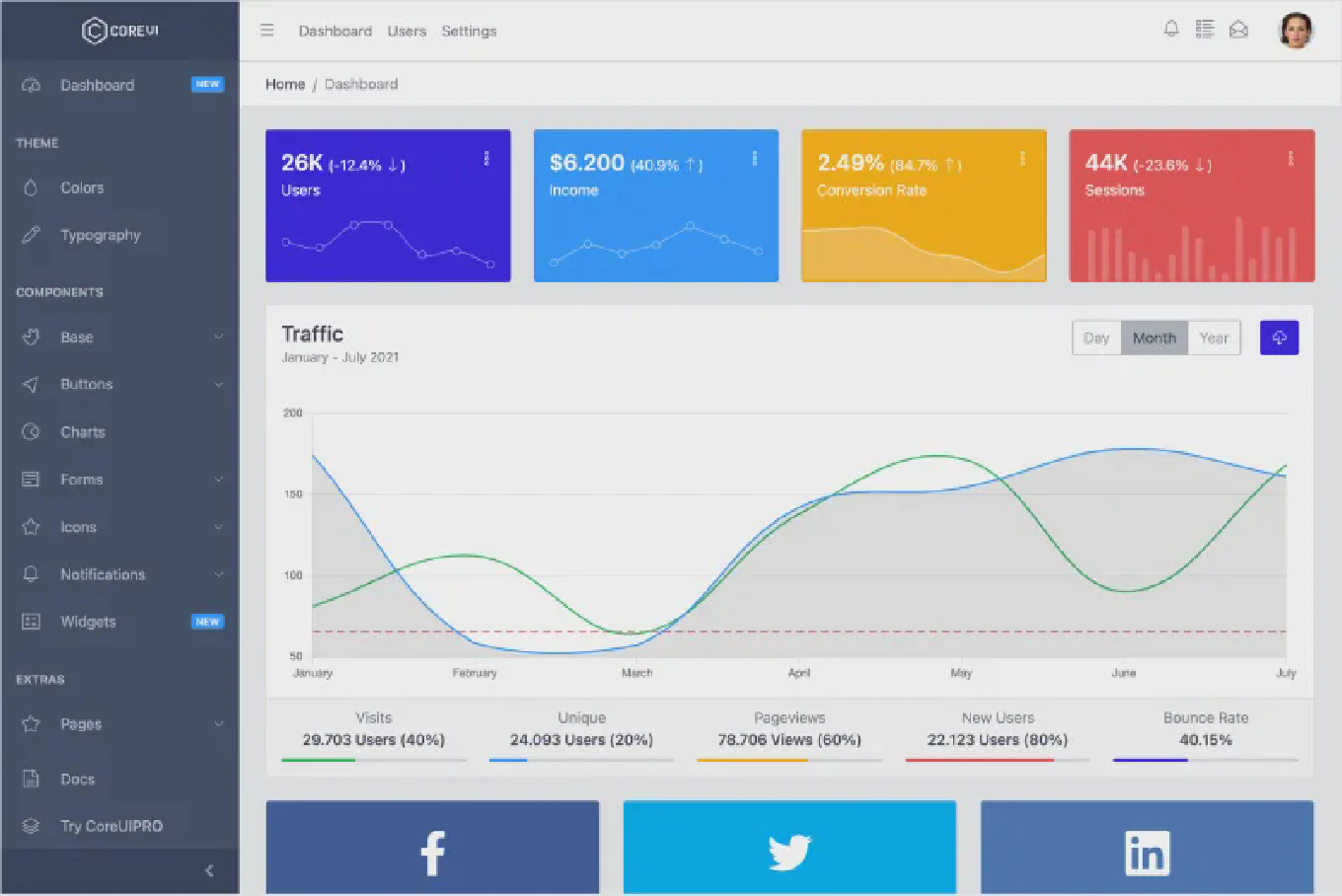
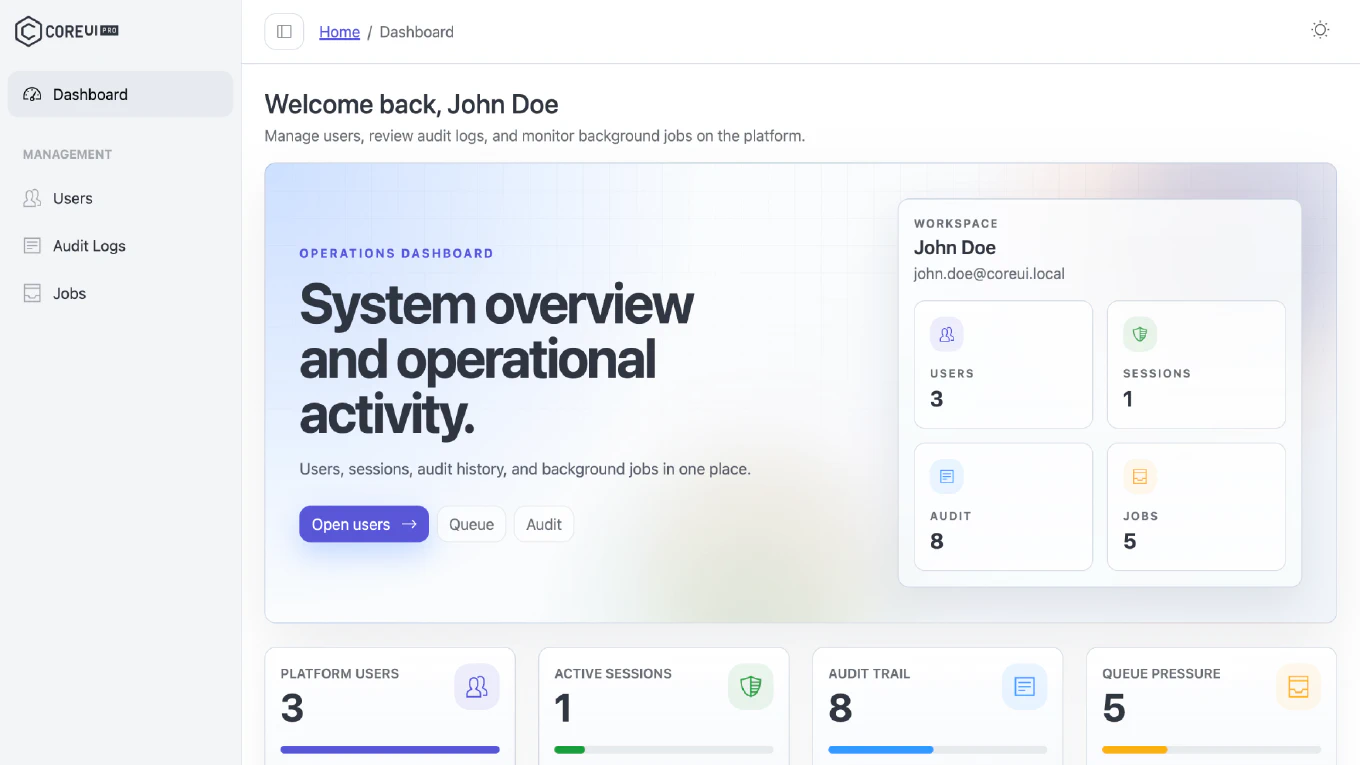
Containerizing an Angular application is a standard practice for modern web development, ensuring consistency across development, staging, and production environments. As the creator of CoreUI, I have architected and deployed hundreds of containerized frontend applications. The most efficient way to achieve this is through a multi-stage Docker build, which separates the build environment from the production runtime. This approach results in lightweight, secure, and high-performance images ready for any cloud provider, and it is exactly how we handle deployments for our Angular Dashboard Template.
How to deploy Angular with Docker
Deploying Angular applications to production requires a consistent and reproducible environment to avoid the “it works on my machine” syndrome. As the creator of CoreUI in software development, I’ve containerized hundreds of enterprise-grade Angular projects to ensure seamless scaling. The most efficient and modern solution is using a multi-stage Docker build, which separates the build environment from the production runtime for maximum security and minimal image size. This approach leverages Node.js for compilation and Nginx for serving static assets, providing a high-performance production setup.
How to load balance Node.js apps
Single Node.js instances have throughput limits, and production applications require multiple instances for high availability and horizontal scaling. As the creator of CoreUI, I’ve architected load-balanced systems serving millions of requests daily. Load balancing distributes incoming traffic across multiple Node.js processes or servers, improving performance and providing redundancy if instances fail. The most common approach uses Nginx as a reverse proxy to balance requests across multiple Node.js instances.