How to build a carousel in Vue
Image carousels are essential UI components for showcasing multiple images or content cards in a compact, interactive format. As the creator of CoreUI, I’ve built numerous carousel implementations for e-commerce and portfolio sites. A basic Vue carousel requires reactive state for the current slide index, methods for navigation, and CSS for slide positioning. This approach creates a fully functional carousel without external dependencies.
How to create reusable transitions in Vue
Duplicating animation code across multiple components leads to inconsistent user experiences and harder maintenance when you need to update animation timings or effects. As the creator of CoreUI, I’ve built reusable animation systems for numerous production applications. Vue allows you to create reusable transition components by wrapping the built-in Transition component and defining preset CSS classes. This approach centralizes your animation logic and ensures consistent motion design throughout your application.
How to use Material UI in React
Building React applications with Material Design principles requires a comprehensive component library that implements Google’s design system. As the creator of CoreUI, I’ve worked with various UI frameworks in production applications. Material UI (MUI) is the most popular React implementation of Material Design, offering 50+ customizable components with excellent TypeScript support. The installation is straightforward and provides immediate access to buttons, forms, navigation, and layout components.
How to use ViewEncapsulation in Angular
Managing CSS scope in Angular components is critical for preventing style conflicts and maintaining clean component boundaries. As the creator of CoreUI, I’ve used ViewEncapsulation extensively in enterprise applications. Angular provides three ViewEncapsulation modes: Emulated (default), None, and ShadowDom, each controlling how styles are scoped to components. The ViewEncapsulation strategy determines whether component styles affect only that component or leak to the global scope.
How to use CoreUI in React
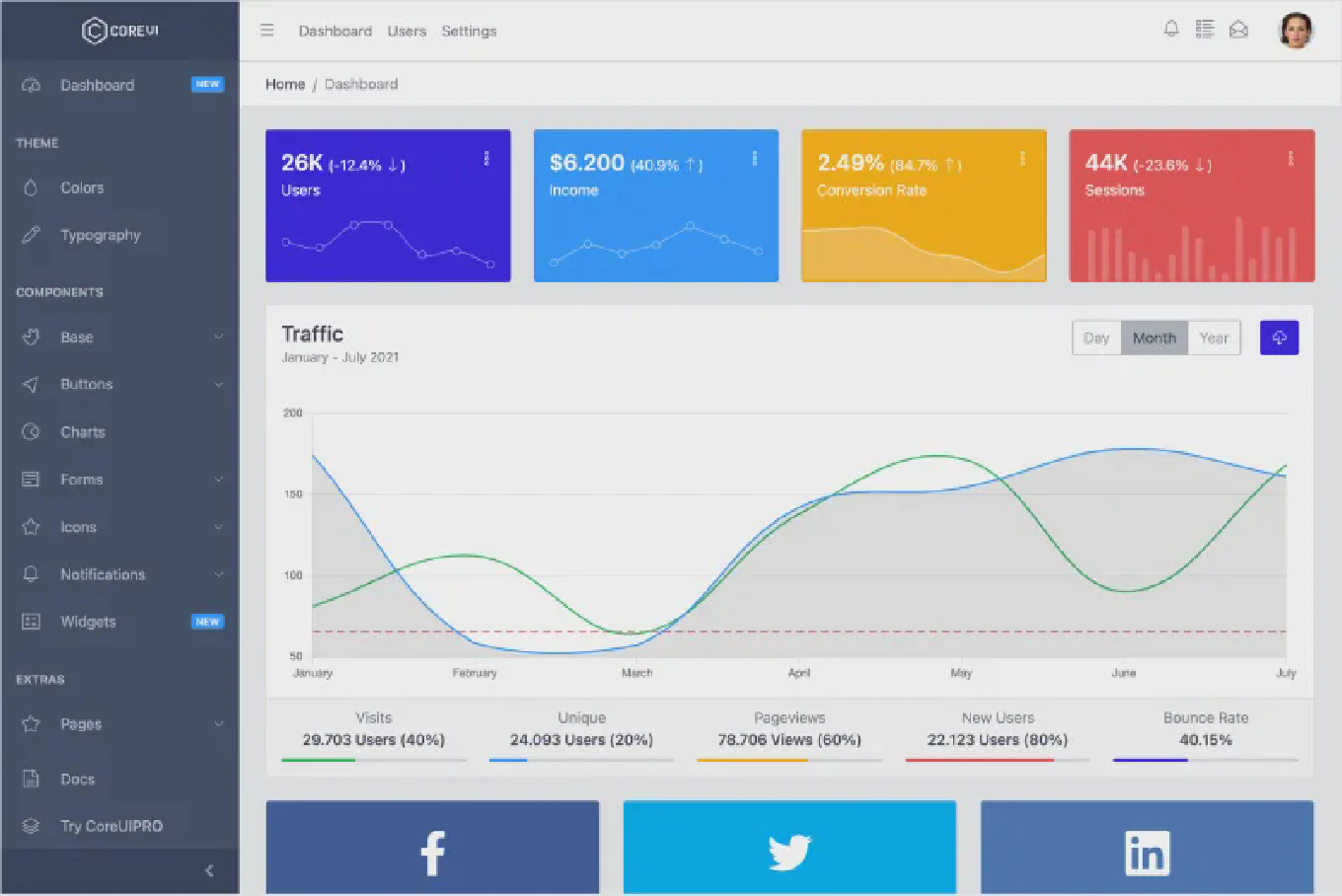
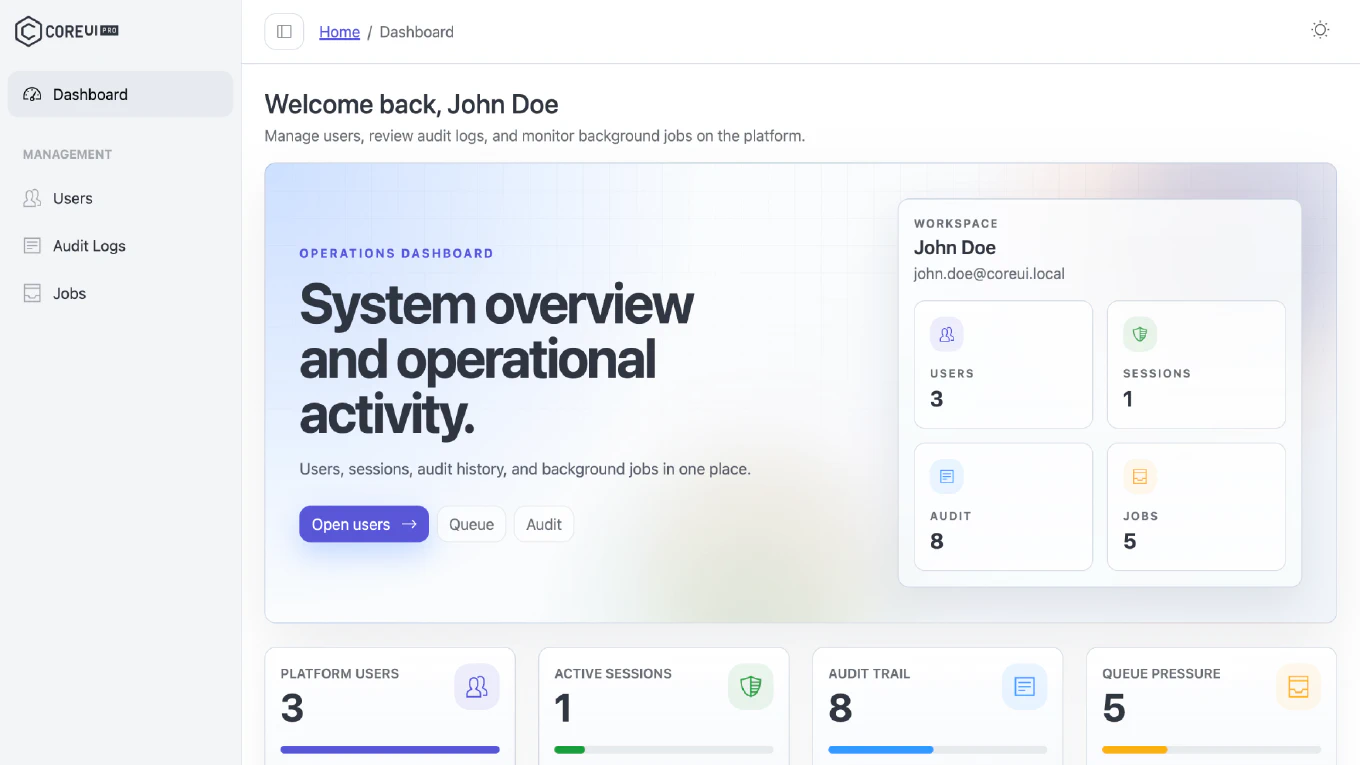
Building professional admin panels and dashboards requires a robust UI component library that offers consistency, accessibility, and customization. As the creator of CoreUI, I designed this library specifically to solve these challenges for React developers. CoreUI for React provides 90+ production-ready components built on Bootstrap 5, offering both free and professional versions. The installation is straightforward and integrates seamlessly with any React application.
How to use CoreUI with Vue
CoreUI for Vue provides production-ready UI components, responsive layouts, and professional admin dashboard templates designed specifically for Vue 3 applications. As the creator of CoreUI, a widely used open-source UI library, I’ve designed CoreUI for Vue to deliver enterprise-grade components. The most efficient approach is installing @coreui/vue and @coreui/icons-vue packages and importing components as needed. This method provides fully integrated Vue 3 components with Composition API support, TypeScript definitions, and comprehensive documentation.
How to style components in Angular
Component styling in Angular enables scoped CSS that prevents style conflicts and maintains clean separation of concerns in component architecture. As the creator of CoreUI, a widely used open-source UI library, I’ve designed component styling strategies for Angular applications. The most maintainable approach is using external stylesheet files with styleUrls and Angular’s default Emulated view encapsulation. This method provides automatic style scoping, supports SCSS preprocessing, and maintains clear separation between template and styling logic.
How to integrate Angular Material
Angular Material provides comprehensive Material Design components with accessibility, internationalization, and theming built-in for professional Angular applications. As the creator of CoreUI, a widely used open-source UI library, I’ve integrated Angular Material in enterprise projects. The most efficient approach is using Angular CLI’s ng add schematic which automatically configures Material with proper dependencies and setup. This method ensures correct installation, configures theming, adds required animations, and sets up typography for immediate component usage.
How to integrate CoreUI with Angular
Integrating CoreUI with Angular provides enterprise-grade UI components, admin dashboard layouts, and professional design system for business applications. As the creator of CoreUI, a widely used open-source UI library, I’ve designed CoreUI for Angular to deliver production-ready components. The most efficient approach is installing @coreui/angular and @coreui/icons-angular packages and importing required modules. This method provides fully integrated Angular components with TypeScript support, reactive forms compatibility, and comprehensive documentation.
How to build a dropdown in Vue
Dropdown components provide collapsible menus for navigation, actions, or selections, essential for space-efficient user interfaces and organized content. As the creator of CoreUI, a widely used open-source UI library, I’ve built dropdown systems in Vue applications. The most maintainable approach is creating a reusable dropdown component with Composition API, managing open state and click-outside detection. This method ensures consistent dropdown behavior across applications with accessibility features and proper event handling.