How to choose the right Angular UI Components for enterprise apps

Choosing Angular UI components for an enterprise application is one of those decisions that looks straightforward from the outside and turns expensive quickly once a team is six months into delivery. The surface-level comparison — which library has a data table, which one has a date picker — misses the real question: which option reduces implementation cost, keeps the interface consistent as the team grows, and gets working screens into reviewers’ hands faster?
This guide is written for Angular teams doing a genuine evaluation. It covers the criteria that matter most in practice, the mistakes that slow teams down, and the situations where CoreUI Angular components are the practical path forward.
Bootstrap UI Components examples for SaaS back offices

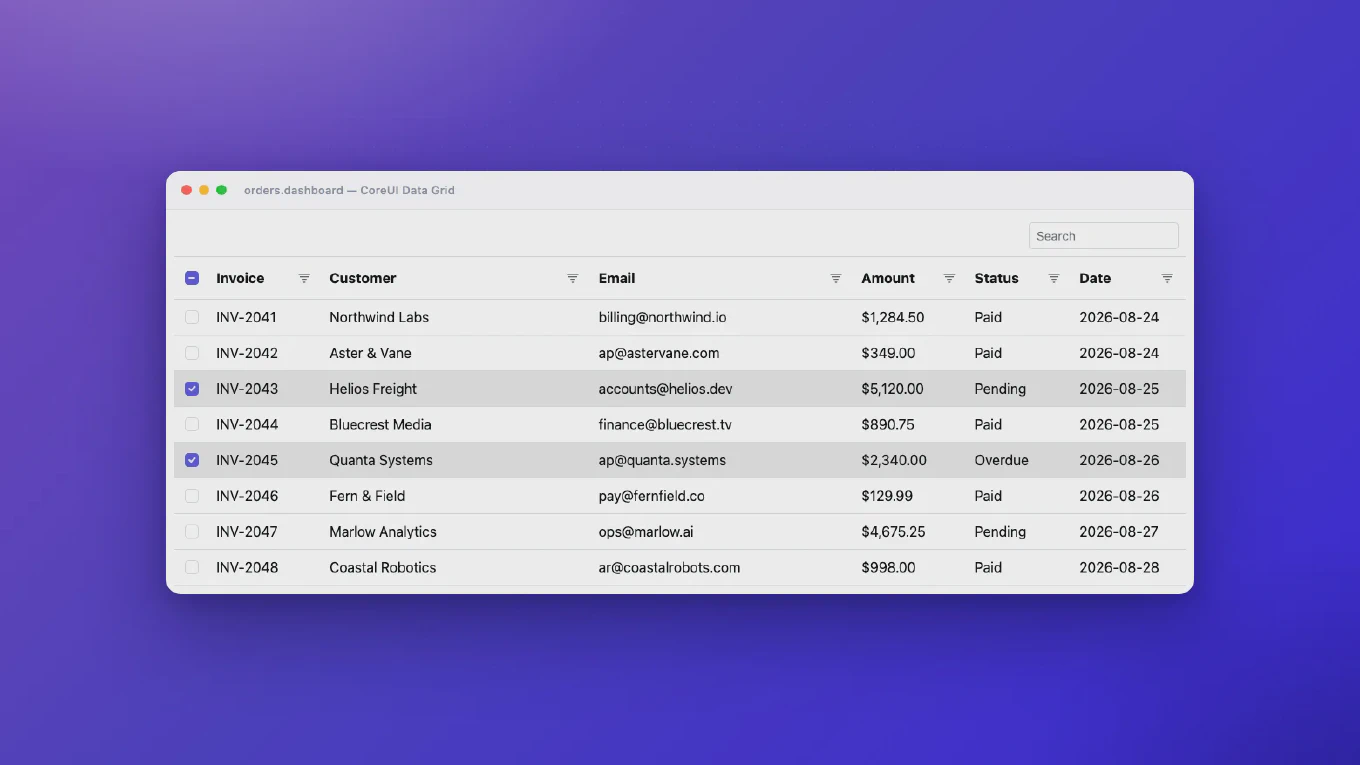
Most engineering teams reach for a component library when they realize how much time disappears building the same UI foundations repeatedly. A navigation sidebar, a data table with sorting, a modal with a confirmation prompt — these are not differentiating features, but they consume real engineering hours every time a new project starts. For SaaS back offices in particular, where the surface area of internal tooling is wide and the tolerance for visual inconsistency is low, the right library pays back its adoption cost quickly.
This article walks through practical Bootstrap UI component examples for SaaS back offices and explains where CoreUI fits into that picture — both what it covers and where it reduces implementation friction compared to assembling the same layer from scratch.
How to use Storybook in React
Building complex user interfaces requires a strategy that prioritizes isolation and predictability.
As the creator of CoreUI, I’ve built thousands of components that rely on robust documentation and visual testing.
The most efficient and modern solution for managing component lifecycles in React is to implement Storybook, which enables Component-Driven Development (CDD).
By using Storybook, you can develop components without worrying about application-specific logic, APIs, or data structures.